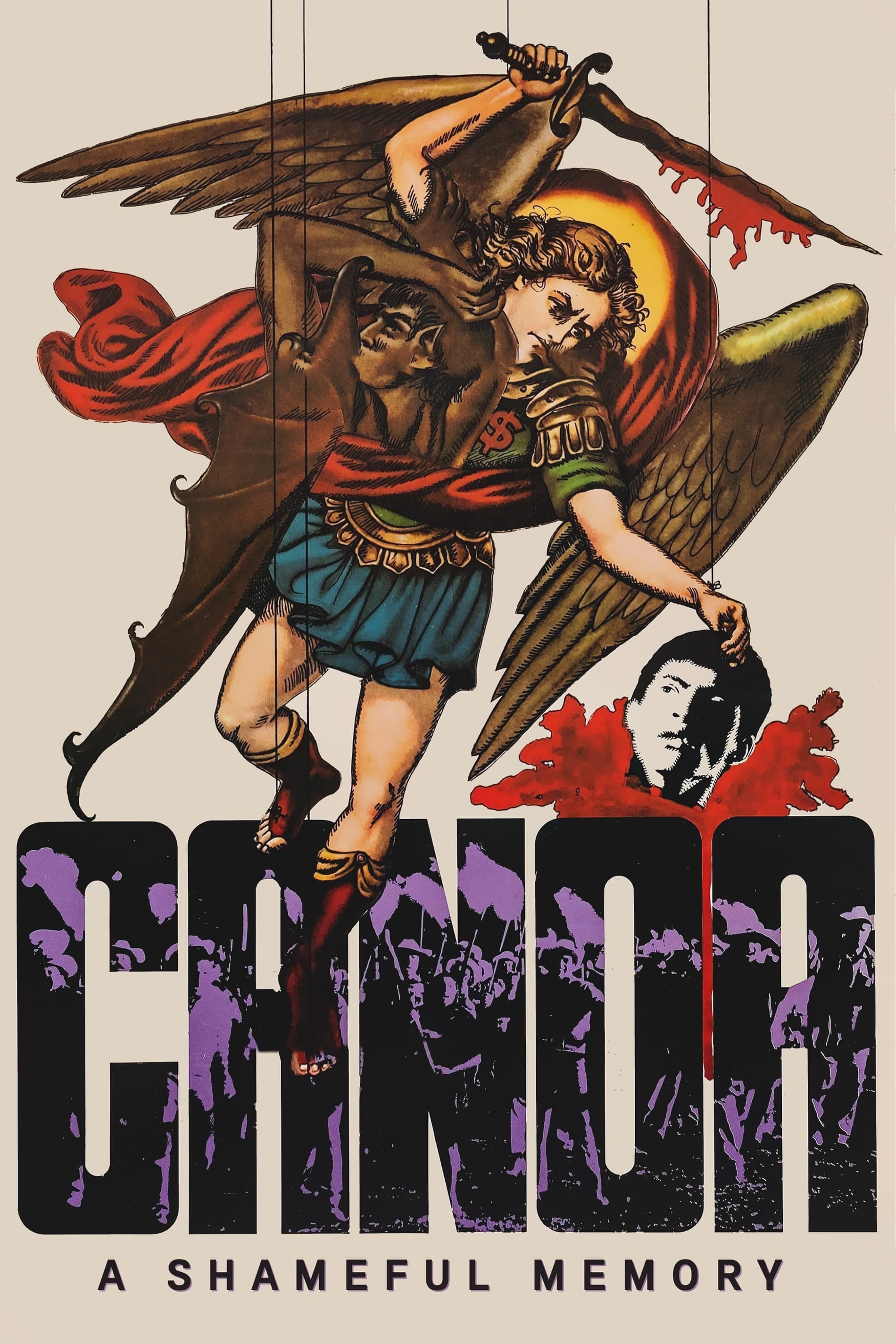
Canoa: A Shameful Memory
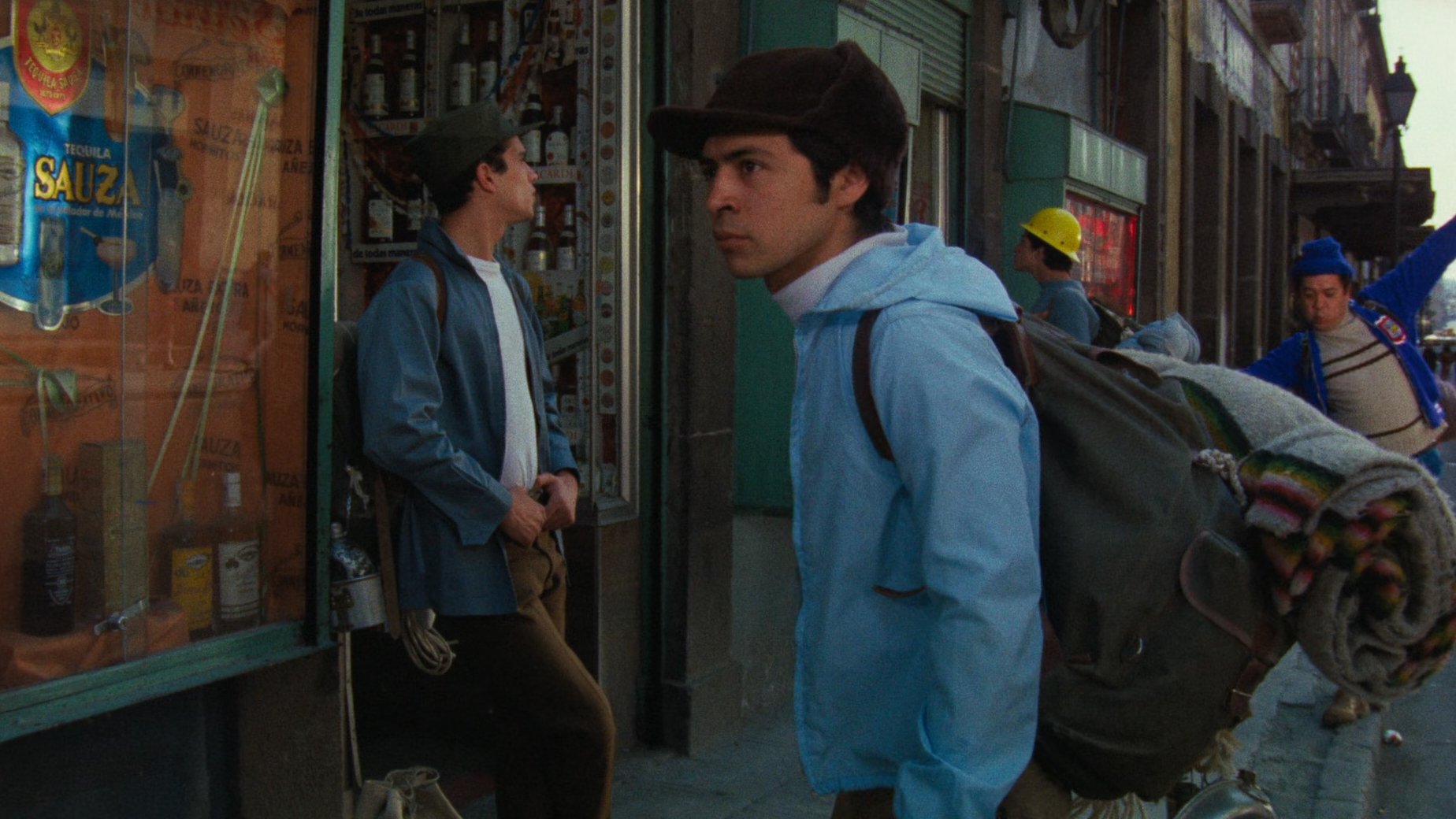
A group of students arrives in a small town during a hiking expedition. Once there, the local priest accuses them of being communist agitators on the run from an army crack-down against student demonstrations in nearby Mexico City and rallies the townsfolk to lynch them. Based on a true story.
Insights
Plot Summary
In 1968, five young evangelical university students are traveling by jeep through the state of Puebla, Mexico, on their way to a political meeting. When their vehicle breaks down in the small town of San Miguel Canoa, they are mistaken for communist agitators by the deeply religious and fearful local population, influenced by their priest. The townspeople then violently attack the students, leading to a tragic outcome.
Critical Reception
Canoa was highly acclaimed for its powerful and unflinching portrayal of religious fanaticism, social injustice, and political repression in Mexico. The film is considered a landmark of Mexican cinema, praised for its directorial style, performances, and its potent social commentary that resonated deeply with audiences and critics alike, earning it numerous accolades.
What Reviewers Say
- Praised for its raw and impactful storytelling.
- Lauded for its fearless critique of religious and political extremism.
- Cited as a significant work in the history of Mexican cinema.
Google audience: While specific Google user ratings are not readily available, critical reception indicates a strong appreciation for the film's historical significance and its powerful social and political commentary.
Awards & Accolades
Golden Bear at the 26th Berlin International Film Festival (1976), Silver Ariel Award for Best Picture (1977).
Fun Fact
The film is based on the true events of the San Miguel Canoa massacre that occurred in 1968.
AI-generated overview · Verify ratings on official sources