

The Train
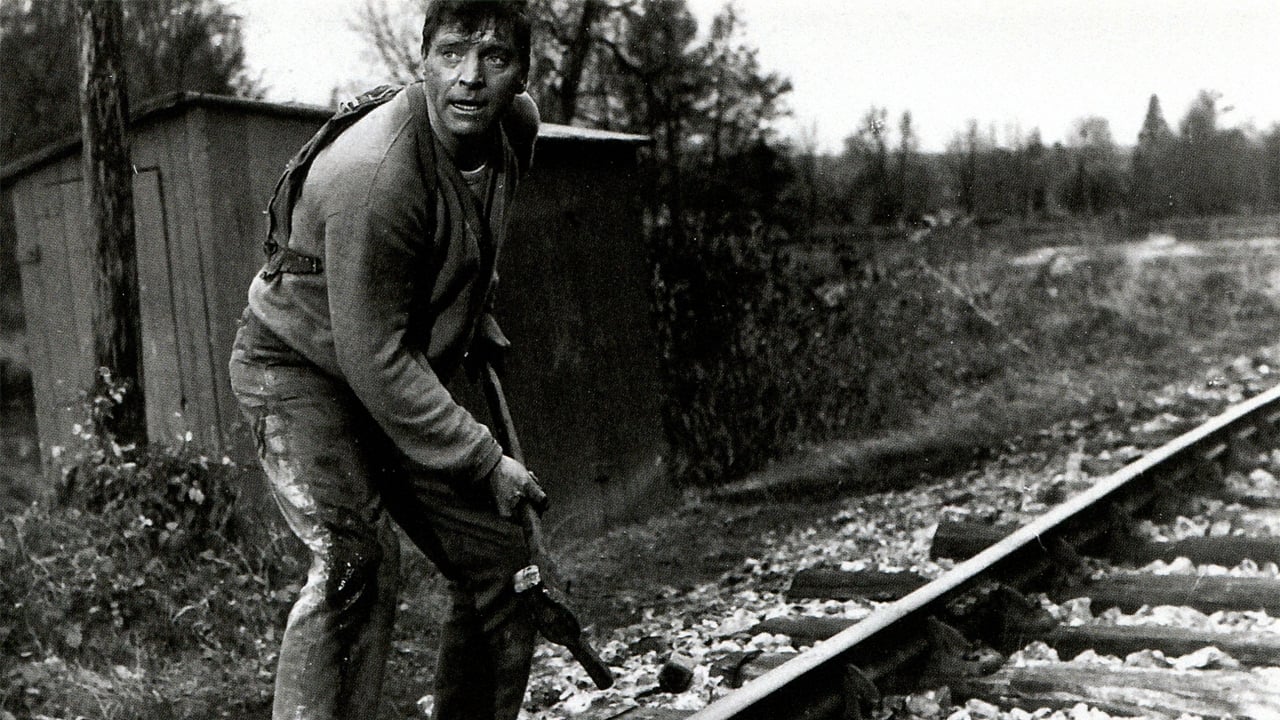
As the Allied forces approach Paris in August 1944, German Colonel Von Waldheim is desperate to take all of France's greatest paintings to Germany. He manages to secure a train to transport the valuable art works even as the chaos of retreat descends upon them. The French resistance however wants to stop them from stealing their national treasures but have received orders from London that they are not to be destroyed. The station master, Labiche, is tasked with scheduling the train and making it all happen smoothly but he is also part of a dwindling group of resistance fighters tasked with preventing the theft. He and others stage an elaborate ruse to keep the train from ever leaving French territory.
Insights
Plot Summary
In August 1944, as Allied forces advance on Paris, Nazi Colonel Franz von Waldheim plans to transport priceless art looted from French museums back to Germany by train. Labiche, a French Resistance railway inspector, and a team of workers risk their lives to sabotage the train and prevent the artworks from leaving France, all while dodging German patrols and the dangers of an active war zone.
Critical Reception
Critically acclaimed upon release, 'The Train' is widely regarded as a masterclass in suspenseful filmmaking and a powerful anti-war statement. Its realistic depiction of wartime espionage and the sheer scale of its practical effects, particularly the train sequences, drew widespread praise. Audiences were captivated by the relentless tension and the film's historical weight.
What Reviewers Say
- Praised for its thrilling, authentic action sequences and suspenseful narrative.
- Hailed as a gripping and intelligent war film with strong performances.
- Commended for its impressive practical effects and direction.
Google audience: Viewers largely lauded 'The Train' for its gripping tension and spectacular, realistic train stunts. The film's historical accuracy and the palpable sense of urgency were frequently highlighted as major strengths.
Awards & Accolades
Nominated for an Academy Award for Best Original Screenplay (1965). Received a Writers Guild of America Award nomination for Best Written Drama (1965).
Fun Fact
The film famously features the destruction of actual French locomotives and rolling stock, including several authentic steam engines, a risky and expensive undertaking that contributed to its visual realism.
AI-generated overview · Verify ratings on official sources
My Review
TMDB Reviews
3 reviews

JPV852
