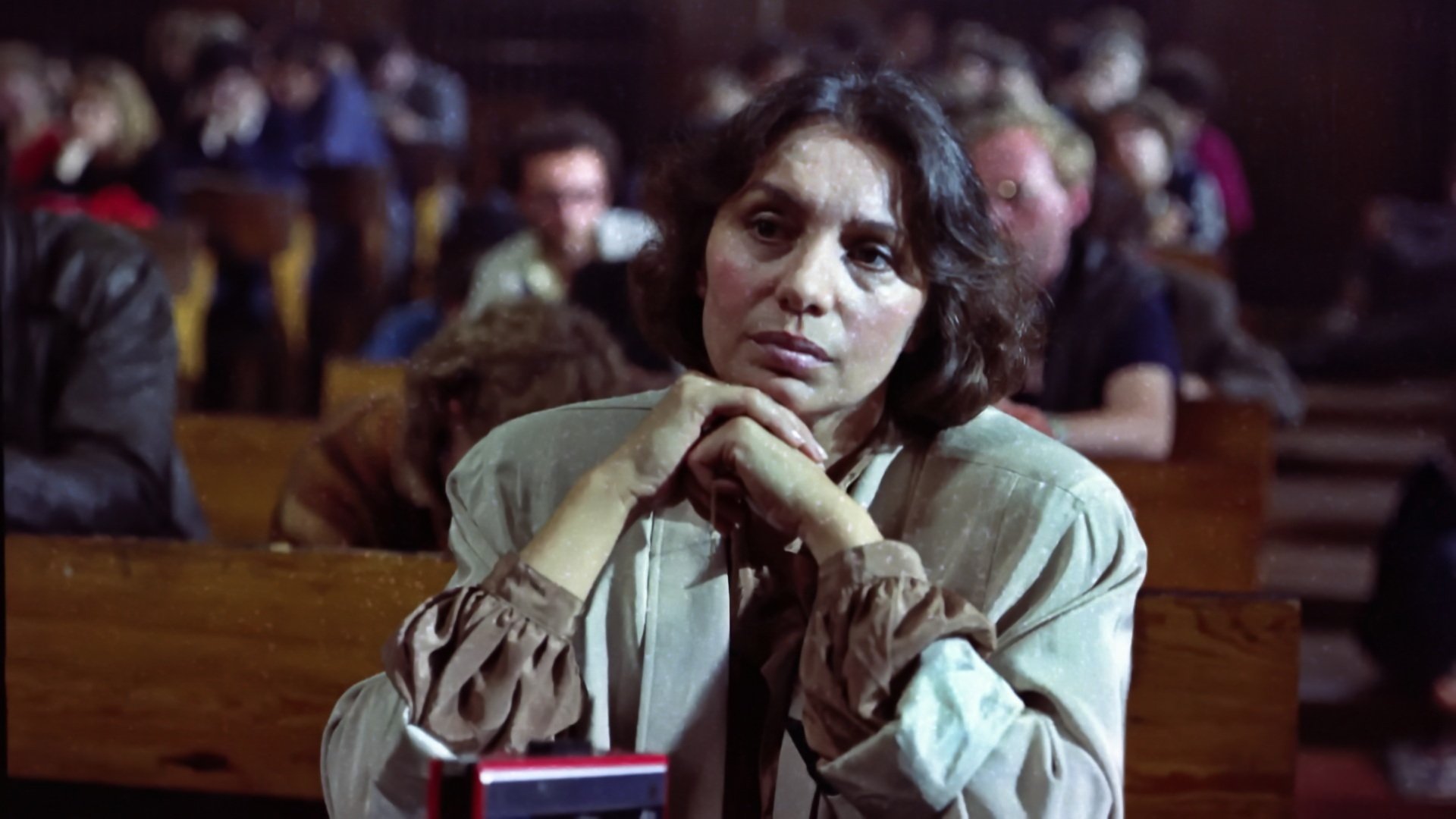

Decalogue VIII
Zofia, a professor of ethics, is visited by Elżbieta, an American researching the fate of Jews who survived World War II. A daytime classroom conversation turns into a night of confrontation, and Zofia is forced to answer for a decision she made decades ago that directly affected the course of Elżbieta’s life.
Insights
Plot Summary
On International Women's Day in Warsaw, a university professor (Elżbieta) is confronted by a former student ( a young woman named Magda) who claims to be one of the children Elżbieta lied to during World War II, leading them to their deaths. Elżbieta denies this, but the encounter forces her to confront her past actions and the moral ambiguities of survival. The film explores themes of truth, guilt, and the subjective nature of reality.
Critical Reception
The Decalogue series, including Chapter VIII, is universally acclaimed by critics as a masterpiece of cinema, lauded for its profound exploration of the Ten Commandments through deeply human and morally complex narratives. Chapter VIII, in particular, is praised for its intellectual rigor and emotional resonance.
What Reviewers Say
- A powerful examination of wartime guilt and the burden of truth.
- Kieślowski masterfully blends philosophical inquiry with intimate human drama.
- The episode forces viewers to question the nature of morality and personal responsibility.
Google audience: N/A
Awards & Accolades
The Decalogue series won numerous awards, including the Sutherland Trophy at the British Film Institute Awards and awards at the Venice Film Festival. Individual episodes were highly praised but specific awards for Chapter VIII are not as prominently documented as the series as a whole.
Fun Fact
The episode's title, 'Thou shalt not bear false witness,' is explored through Elżbieta's actions during the war and her subsequent denial, highlighting the profound ethical dilemmas faced by ordinary people in extraordinary circumstances.
AI-generated overview · Verify ratings on official sources